


Busy days don’t always feel busy because of what we’re doing. Often, they feel overwhelming because there’s no space between one moment and the next. Tasks stack up, notifications blur together, and even when nothing urgent is happening, the day can still feel rushed.

Creating calm moments isn’t about slowing life down completely. It’s about adding small pauses that help the day feel more manageable—without changing your schedule or responsibilities.
Calm Isn’t the Absence of Activity
Many people imagine calm as a long break, a quiet room, or time completely alone. In real life, that version of calm isn’t always available.
Calm moments are often brief. They’re the small transitions that help you reset before moving on. A minute of stillness, a few steady breaths, or a quiet pause between tasks can be enough to shift how the rest of the day feels.

Why Small Pauses Matter More Than Long Breaks
When the day is full, waiting for a long break can create more frustration than relief. Small pauses work because they’re repeatable.

Short moments of calm can:
-
Reduce the feeling of being constantly “on”
-
Help your attention reset naturally
-
Make busy schedules feel less compressed
Over time, these pauses soften the edges of a demanding day.
Use Transitions as Natural Reset Points
Most days are already divided into transitions—moving from one task to another, changing locations, or finishing one responsibility before starting the next.
Instead of rushing through these moments, try letting them become natural pauses:
-
Take a few seconds before opening the next email
-
Pause briefly after finishing a call
-
Let your body settle when you sit down or stand up
These transitions are built-in opportunities for calm that don’t require extra time.
Create Calm Through Familiar Routines
Calm often comes from familiarity, not novelty. Simple routines—especially ones you repeat daily—can signal a sense of steadiness.
Examples include:
-
Starting the morning quietly before engaging with screens
-
Having a consistent midday pause, even if brief
-
Ending the day with the same gentle wind-down habit
When routines feel familiar, they create a rhythm that supports calm without effort.
Limit Stimulation, Not Productivity
Creating calm doesn’t mean doing less. It often means reducing unnecessary stimulation.
Small adjustments can help:
-
Lower background noise when possible
-
Step away from screens for short intervals
-
Avoid multitasking during simple activities
These choices make space for calm while keeping the day moving.
Calm Can Exist Alongside Movement
Calm isn’t limited to stillness. It can also appear during gentle movement.
Walking without distractions, stretching briefly between tasks, or moving at a slightly slower pace can create moments of mental quiet. These actions help reconnect attention with the present moment—without stopping the day.
Evenings Are a Chance to Restore Balance
For many people, calm feels most accessible in the evening. How the day ends often shapes how the next day begins.
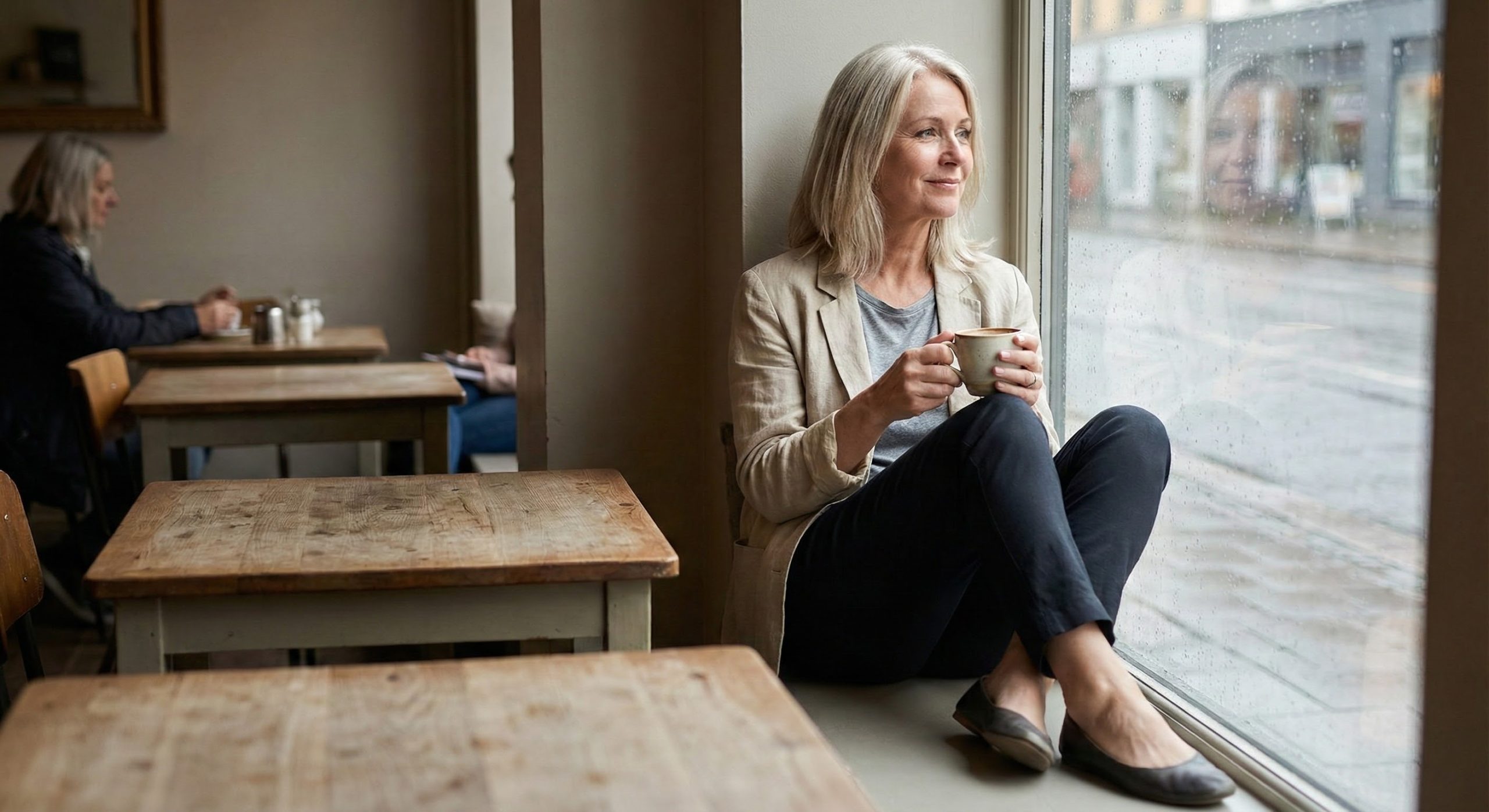
A calmer evening might include:
-
Gradually slowing the pace after dinner
-
Reducing stimulation before bed
-
Allowing time to unwind without pressure
These moments don’t need to be long. Their purpose is to signal that the day is gently closing.
Calm Is a Skill You Practice, Not a State You Reach
Calm isn’t something you achieve once and keep forever. It’s something you practice—moment by moment.
Some days will feel smoother than others. The goal isn’t perfection, but awareness. Noticing when you need a pause, and allowing it when possible, is often enough.
Living Well Includes Space Between Moments
At LifeWellToday, we believe calm doesn’t come from escaping a busy life—it comes from making room within it.
When small moments of calm are woven into the day, busyness feels less consuming. Life doesn’t slow down, but it becomes easier to move through with clarity and balance.
