


A calm, sustainable approach to saving that protects your future—without putting your present on hold
If the word saving makes you think of sacrifice, guilt, or “I’ll live later,” you’re not alone. Many people associate financial safety with restriction—no trips, no treats, no joy until some distant finish line. Soft Saving offers a different path.
At LifeWellToday, we define Financial Wellness as feeling safe, calm, and in control around money. Soft Saving supports that goal by helping you build protection and preserve a life you enjoy—at the same time.
What Is Soft Saving? (Clear Definition)
Soft Saving is a flexible, values-led approach to saving that prioritizes financial safety and sustainability—without relying on deprivation or delaying life. Instead of rigid rules or extreme cutbacks, it uses gentle systems that fit your real income, energy, and priorities.
-
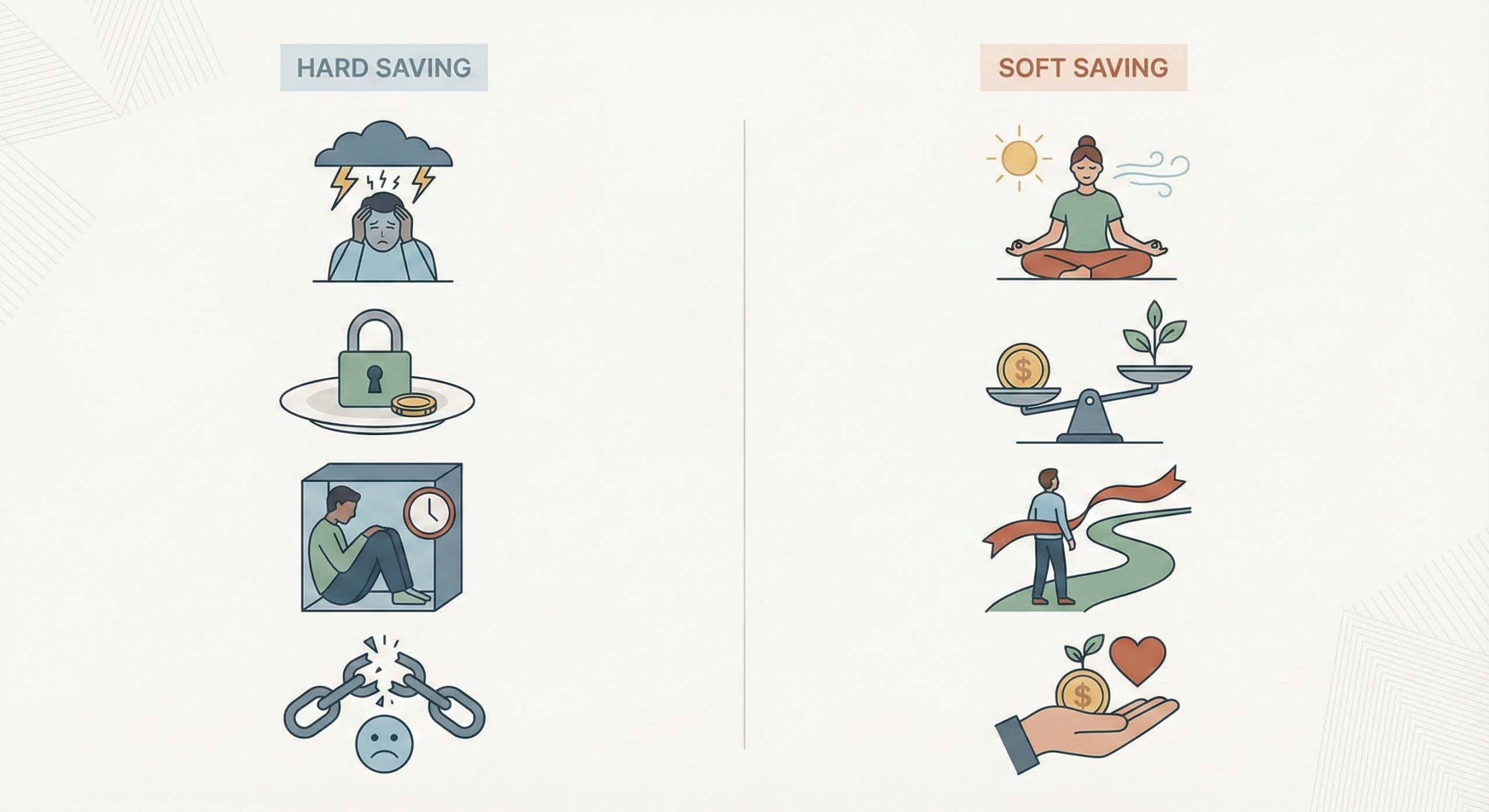
Hard Saving says: “Cut everything now. Enjoy later.”
-
Soft Saving says: “Protect the future while living well today.”

Why Extreme Saving Often Backfires
Aggressive saving plans can trigger stress and rebound spending. When life feels overly restricted, the nervous system resists—and willpower cracks.
Common outcomes of “hard” saving:
-
cycles of deprivation and splurging
-
guilt around small pleasures
-
burnout from constant self-denial
-
quitting the plan altogether
Soft Saving works because it respects human behavior, not just math.
The Core Principles of Soft Saving
1) Safety First, Not Perfection
Soft Saving focuses on buffers, not flawless budgets. The goal is to reduce uncertainty enough that your body can relax.
Think:
-
a modest emergency cushion
-
predictable monthly rhythms
-
knowing you can handle surprises
Even partial safety lowers stress significantly.
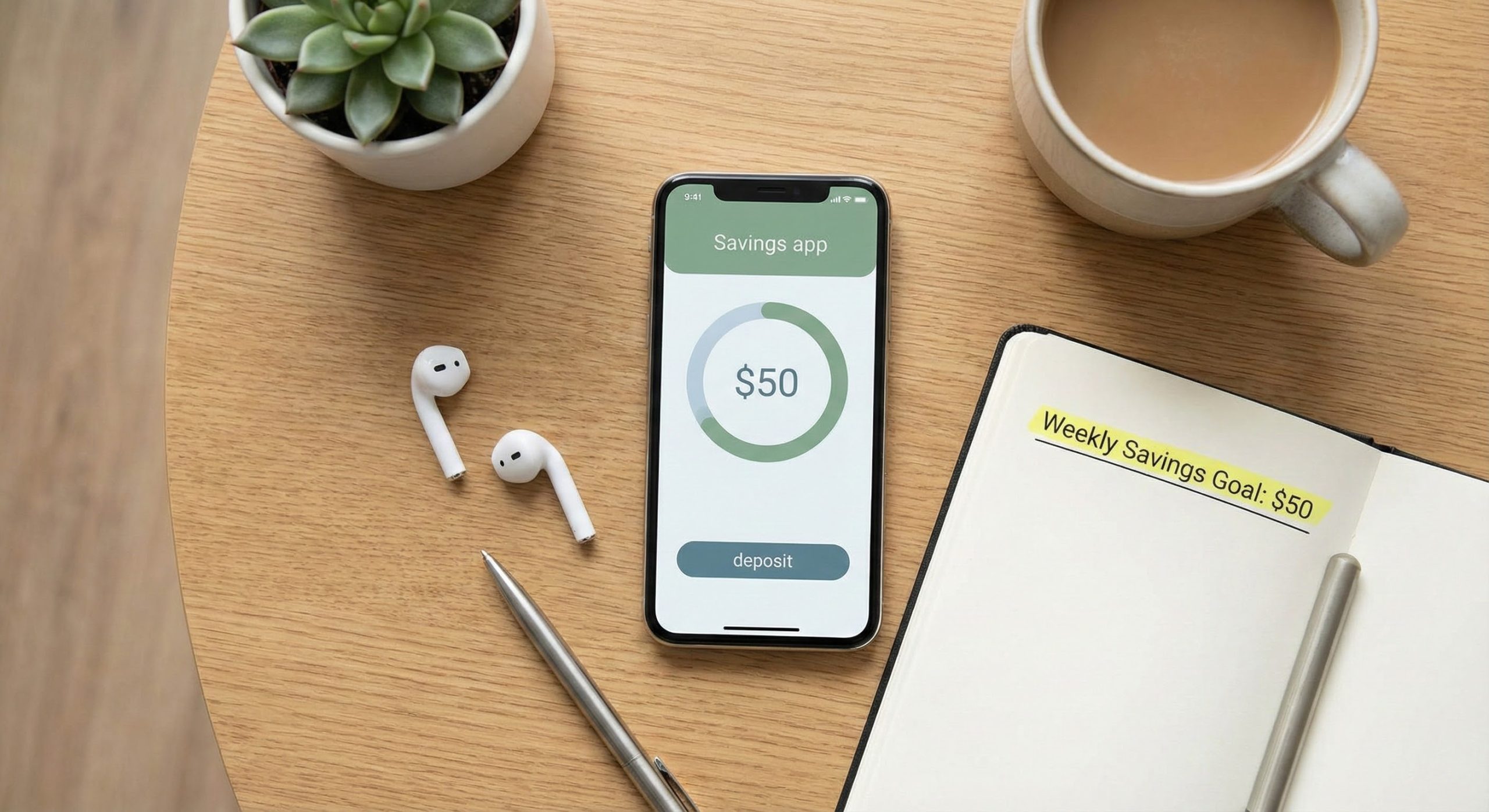
2) Values Over Rules
Instead of strict categories, Soft Saving asks one question:
“What genuinely supports my life?”
You save consistently—but you also spend intentionally on what matters:
-
experiences that restore you
-
tools that protect your health
-
small comforts that make daily life lighter
This balance prevents resentment.
3) Automation Beats Willpower
Soft Saving relies on systems that work quietly in the background:
-
automatic transfers to savings
-
default percentages rather than fixed amounts
-
separation between “safety money” and spending money
When saving happens automatically, anxiety drops—and consistency rises.
How to Practice Soft Saving (Without Overthinking)
Step 1: Define Your “Enough”
Instead of asking “How much should I save?”, ask:
“What amount would make me feel 10% safer?”
That might be:
-
one month of expenses
-
a small but growing buffer
-
coverage for a specific risk
You can adjust later. Safety grows in stages.
Step 2: Build a Gentle Saving Rhythm
Choose a pace that fits your income variability and energy:
-
a percentage that flexes month to month
-
smaller weekly transfers instead of one large one
-
saving after paydays, not after expenses
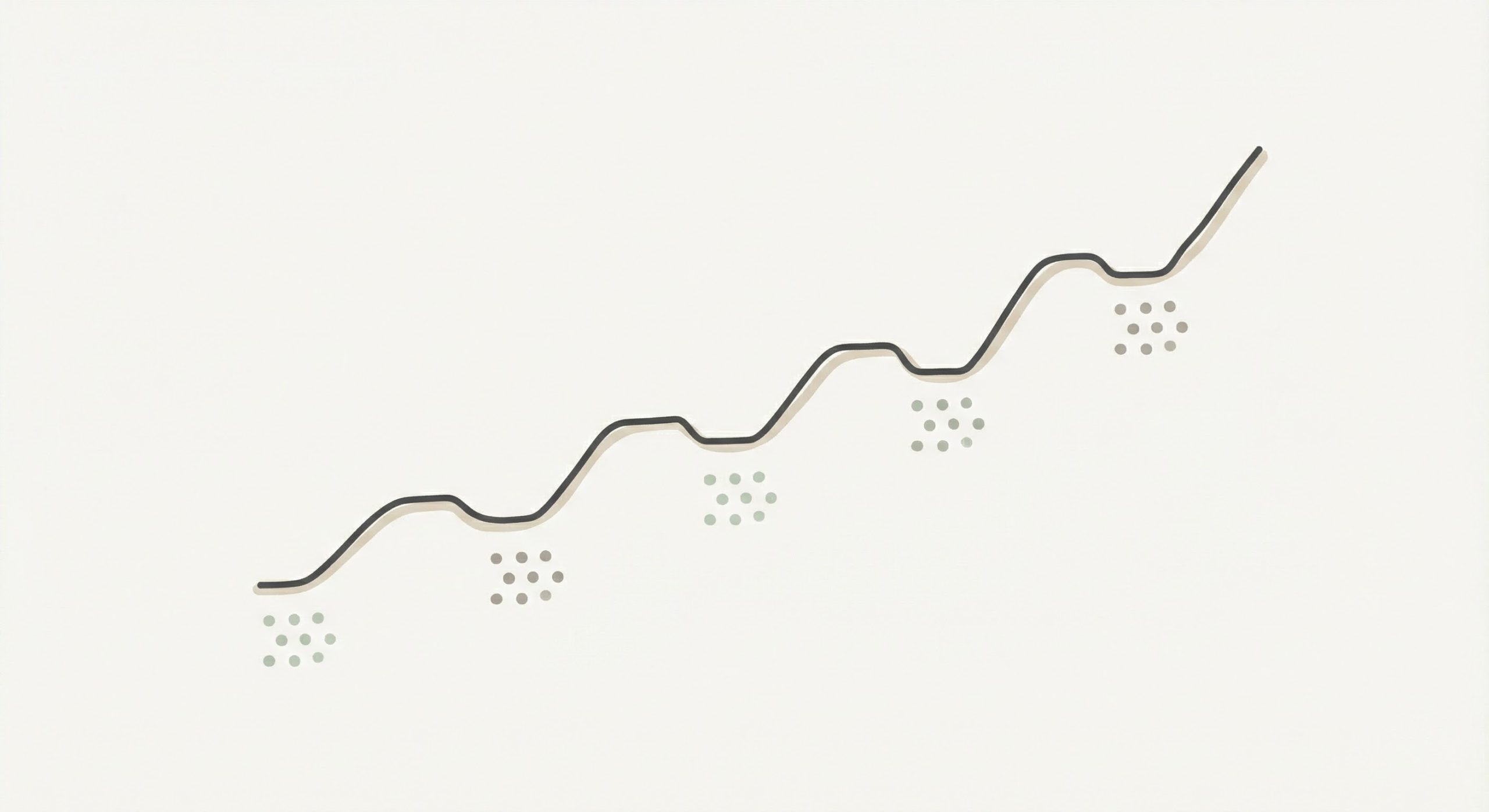
Consistency matters more than size.
Step 3: Keep Joy in the System
Soft Saving intentionally protects joy. This might include:
-
a “life-now” category
-
planned rest or recreation
-
guilt-free spending aligned with your values
When enjoyment is allowed, saving becomes sustainable.

A Simple Example (Real Life, No Perfection)
Imagine someone who saves aggressively, cancels all small pleasures, and lasts six weeks—then splurges and feels ashamed. With Soft Saving, they automate a modest transfer, keep one weekly joy expense, and build a small buffer over time. The result isn’t dramatic—but it’s durable. Durability is the win.
Soft Saving vs. Delayed Living
Delayed living assumes happiness must wait until you’re “secure enough.” Soft Saving rejects that idea. Life doesn’t pause while you prepare for it. Security and enjoyment can coexist—when your system supports both.
Signs Soft Saving Is Working
-
you think about money less often
-
saving feels neutral, not stressful
-
you don’t rebel against your plan
-
your sense of safety slowly increases
Progress feels quiet—and that’s the point.
How Soft Saving Supports Financial Wellness
Within Financial Wellness, improvement looks like:
-
reduced uncertainty
-
decisions that feel reversible
-
growing self-trust
Soft Saving builds that trust by meeting you where you are—not where you “should” be.
It sits at the heart of Financial Wellness—where safety and quality of life grow together.
Gentle Reflection
-
Where has saving felt punishing in the past?
-
What would saving look like if it supported—not restricted—your life?
-
What’s one small adjustment that would make money feel kinder?
You don’t need dramatic changes. You need a system you won’t abandon.
Frequently Asked Questions
Is soft saving effective long-term?
Yes. Systems that reduce stress and allow enjoyment are far more likely to be maintained over years.
How is soft saving different from FIRE?
FIRE often emphasizes aggressive saving and early sacrifice. Soft Saving prioritizes safety and sustainability without postponing life.
Can you save gently with irregular income?
Absolutely. Soft Saving favors flexible percentages and automation that adapts to income variability.
Final Thought
Soft Saving isn’t about lowering standards—it’s about raising sustainability. When your financial plan protects both your future and your present, you stop choosing between safety and living.
That’s not weakness. That’s wisdom.
Continue the Financial Wellness Series
-
Emergency Fund Anxiety – finding safety without obsession
-
The 15-Minute Money Date – a weekly reset ritual
-
Burnout & Money Stress – when income pressure costs your health
This article is for educational and emotional wellness purposes only and does not constitute financial advice.

Michael Tran
Financial Wellness Editor at LifeWellToday
About Michael Tran
Michael Tran is a Financial Wellness Editor at LifeWellToday, where he focuses on the intersection of money, mental well-being, and everyday life.
His work helps readers understand financial stress not as a personal failure, but as a natural response to modern pressures—rising living costs, healthcare expenses, workplace demands, and economic uncertainty. Michael writes with a calm, human-centered approach, translating complex financial and insurance topics into practical, emotionally grounded guidance.
Rather than promoting hustle culture or extreme financial optimization, Michael emphasizes clarity, emotional safety, and sustainable habits. His goal is to help readers feel more confident and less overwhelmed when making everyday financial decisions.
Areas of Focus
- Money anxiety and emotional stress around finances
- Insurance literacy (health, life, and workplace coverage)
- Financial boundaries at work and burnout-related money stress
- Emergency funds, medical bills, and financial avoidance
- Behavioral finance and habit-based money systems
All content is written to align with responsible YMYL standards, prioritizing education, balance, and reader well-being.
Editorial Approach & Standards
At LifeWellToday, Michael collaborates closely with the editorial team to ensure that all Financial Wellness content:
- Is educational and informational—not personalized financial advice
- Reflects evidence-based insights from reputable sources
- Avoids fear-based or urgency-driven messaging
- Aligns with Google’s E-E-A-T (Experience, Expertise, Authoritativeness, Trustworthiness) guidelines
When appropriate, articles include references to trusted public sources and guidance on when readers should seek professional financial, medical, or mental health support.
Experience & Background
Michael has experience in editorial research and long-form content development within the lifestyle and wellness space. His background includes analyzing behavioral patterns, simplifying complex topics, and building content systems designed for clarity and reader trust.
He believes financial wellness is not about perfection or wealth—but about creating a sense of safety, agency, and self-respect around money.
Disclaimer
Michael Tran is not a licensed financial advisor, medical professional, or legal expert. All content published on LifeWellToday is intended for educational and informational purposes only and should not be considered professional advice.
Readers facing serious financial, medical, or mental health concerns are encouraged to consult qualified professionals.
Contact & Editorial Inquiries
For editorial questions or content-related inquiries, please contact:
? michael@lifewelltoday.com
1 Comment
Pingback: Underconsumption & Money Calm: Spending Less Without Feeling Deprived