Staying physically active doesn’t require a gym membership, specialized equipment, or a rigid workout plan. For many people, the most sustainable movement comes from simple activities woven into everyday life.
When movement feels accessible and pressure-free, it’s easier to stay consistent—and consistency matters far more than intensity.
Everyday Movement Is Often Enough
Physical activity doesn’t have to look like formal exercise. Everyday movement—walking, stretching, standing, and gentle motion—plays an important role in how the body feels over time.
These small movements:
-
Support daily energy levels
-
Reduce stiffness from long periods of sitting
-
Help the body feel more comfortable and mobile
Rather than focusing on performance, everyday activity focuses on function and ease.
Walking: One of the Most Accessible Activities
Walking is one of the simplest and most natural ways to stay active. It requires no equipment, can be done almost anywhere, and easily fits into daily routines.
You might walk:
-
Around your neighborhood
-
While running errands
-
During short breaks in the day
-
As part of your morning or evening routine
Even unplanned walks add up over time and help keep the body gently engaged.

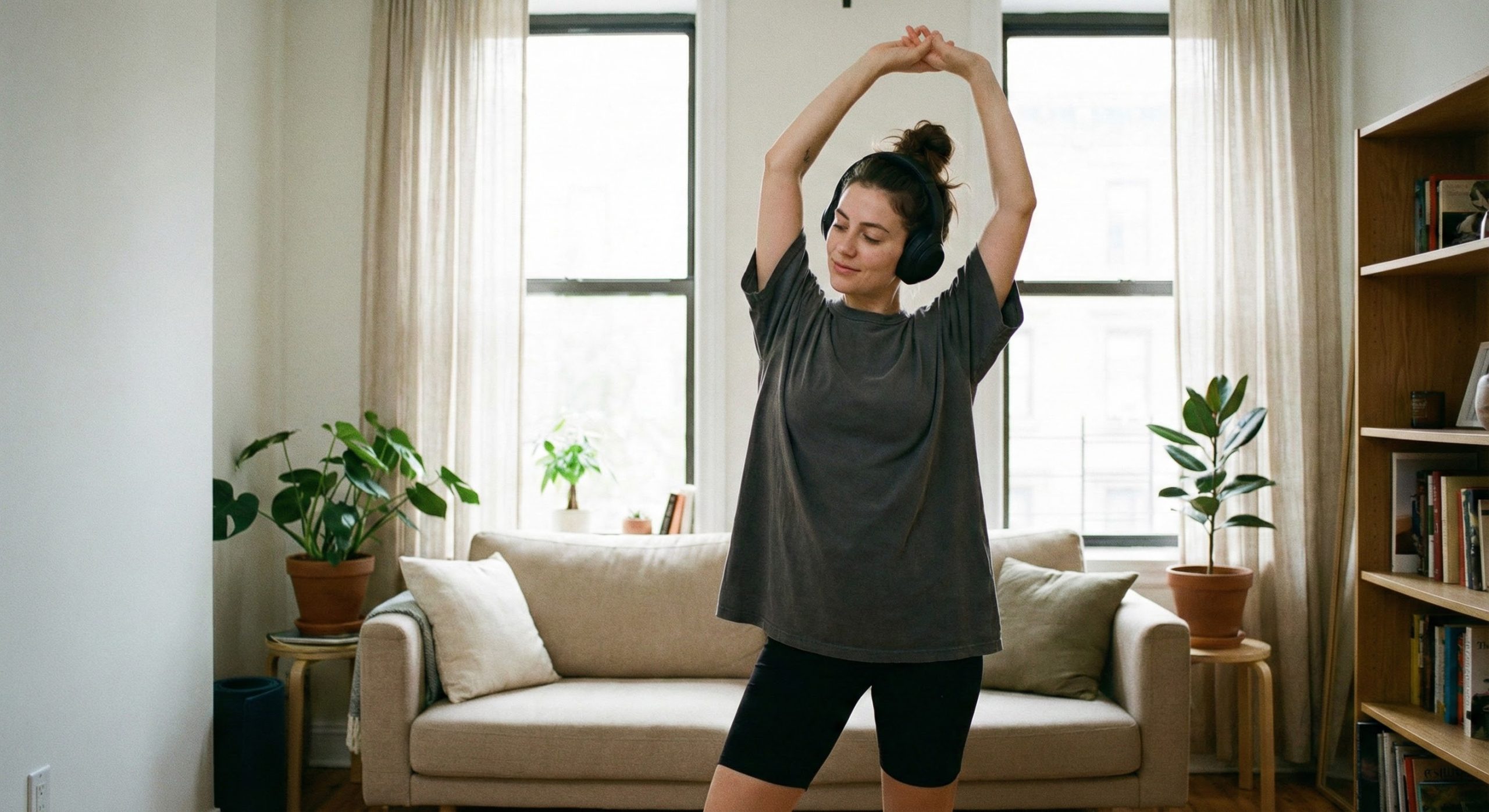
Gentle Stretching at Home
Stretching doesn’t need to be structured or time-consuming. Simple stretches done at home can help release tension and improve comfort, especially after sitting or waking up.
Light stretching can be:
-
A few movements in the morning
-
A brief pause between tasks
-
A way to unwind in the evening
The goal isn’t flexibility—it’s giving the body room to move freely.
Using Your Home as a Movement Space
Your home already offers opportunities for physical activity without turning it into a workout zone.
Simple examples include:
-
Standing up regularly instead of sitting for long periods
-
Carrying groceries or household items mindfully
-
Tidying up at a steady, relaxed pace
-
Taking the stairs when available
These movements may feel ordinary, but they keep the body active throughout the day.
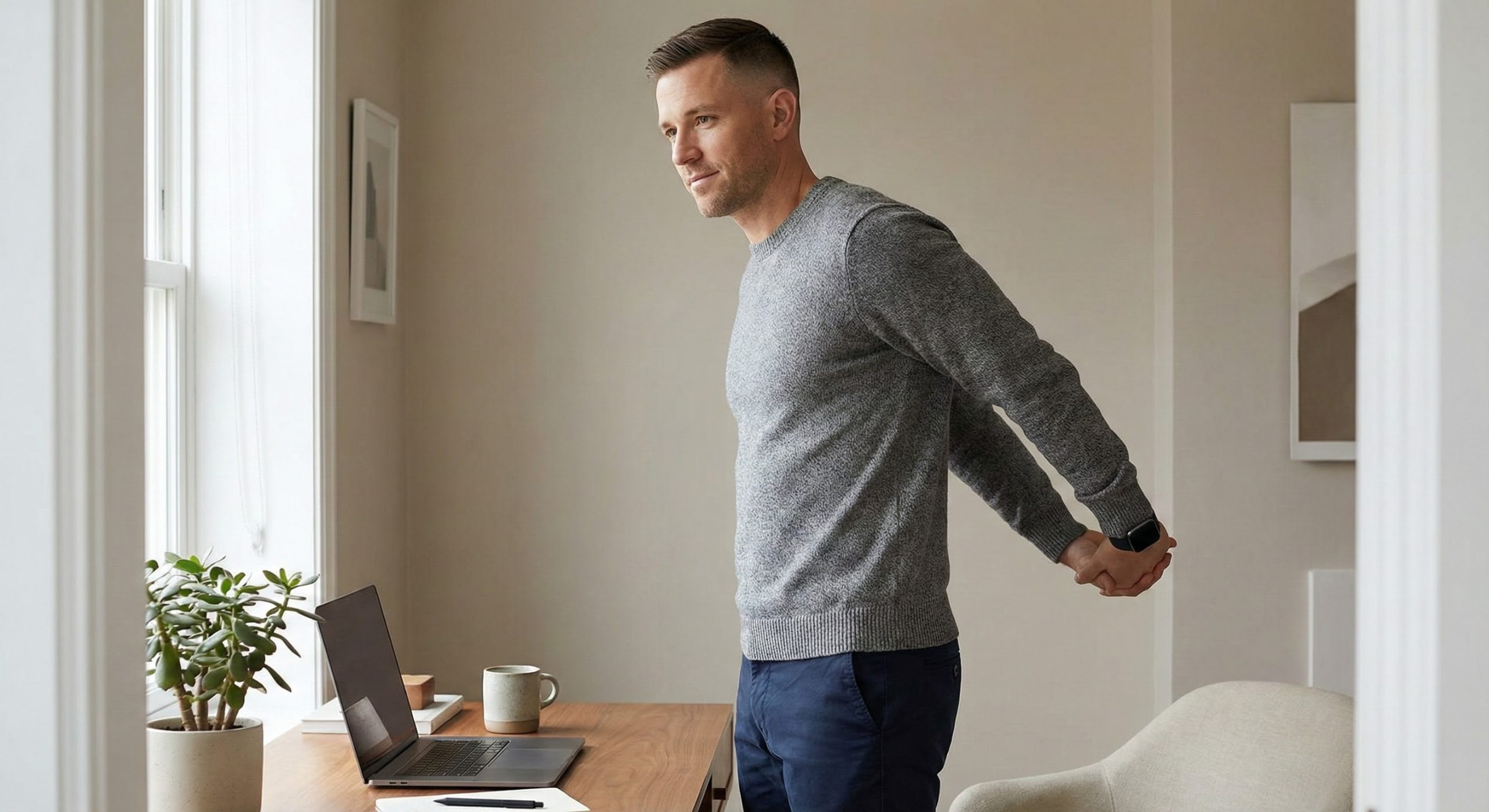
Short Activity Breaks Matter
Long periods of stillness can make the body feel heavy or stiff. Short activity breaks help interrupt that pattern.
A few minutes of movement—standing, walking, or stretching—can make a noticeable difference in how the rest of the day feels. These breaks don’t need to be scheduled perfectly; they just need to happen occasionally.
Movement Without Pressure or Comparison
One of the advantages of non-gym activities is freedom from comparison. There’s no need to track performance, follow trends, or measure progress constantly.
Movement becomes something you do for yourself, not something you judge. This mindset often makes physical activity feel more inviting and sustainable.
Consistency Over Intensity
Doing a little movement most days is often more supportive than intense activity done occasionally. Simple physical activities fit into real life more easily, making them easier to repeat.
Over time, these small actions contribute to:
-
Greater comfort in daily movement
-
A sense of physical confidence
-
A more balanced daily rhythm

Let Movement Support Your Lifestyle
At LifeWellToday, we view movement as a natural part of everyday living—not a separate task that needs special preparation.
When physical activity is simple, flexible, and realistic, it supports daily life rather than competing with it. Movement doesn’t need to happen in a gym to be meaningful. It only needs to happen consistently and comfortably.